
Could a Dental Crown Save Your Tooth? What Lake Elsinore Patients Need to Know
Understanding Dental Crowns: When You Need One and How They Work
Have you ever cracked a tooth and immediately started imagining the worst?
Maybe you pictured a painful extraction, a missing tooth, or a complicated dental procedure that somehow requires far more bravery than you signed up for that day.
Fortunately, many damaged teeth can be saved with one of modern dentistry’s most reliable restorations: dental crowns.
At Prestige Dental Spa in Lake Elsinore, Dr. Katy Chou uses high-quality dental crowns to restore damaged teeth, protect weakened structures, and help patients maintain healthy, confident smiles.
Think of a dental crown like a custom-made helmet for your tooth. It’s designed to protect what’s underneath while allowing you to chew, smile, and live comfortably.

What Is a Dental Crown?
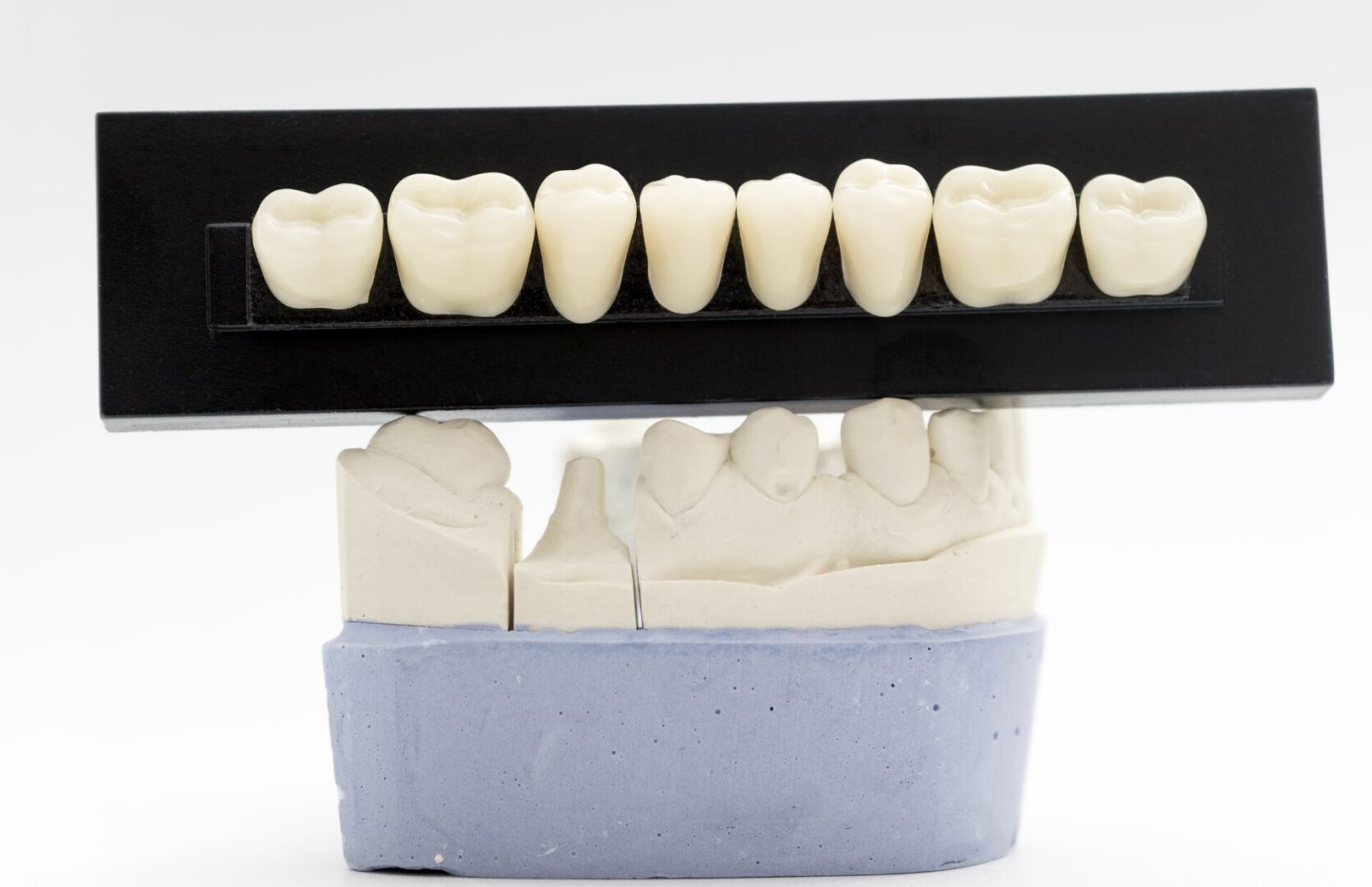
A dental crown is a custom-made cap that completely covers a damaged or weakened tooth.
Its purpose is to restore:
- Strength
- Shape
- Size
- Appearance
- Function
Modern crowns are carefully crafted to blend naturally with your smile, making them virtually indistinguishable from surrounding teeth.
Many patients are surprised to learn that friends and family often can’t tell which tooth has a crown.
Why Might You Need a Dental Crown?
Dental crowns are one of the most versatile treatments in dentistry.
Dr. Katy Chou may recommend a crown if you have:
A Large Cavity
When decay becomes too extensive, a filling may no longer provide enough support.
A crown protects the remaining tooth structure and helps prevent future damage.
A Cracked Tooth
Even small cracks can worsen over time.
A crown acts like a protective shield, holding the tooth together and reducing the risk of further fracture.
A Root Canal
After root canal therapy, teeth often become more brittle.
A dental crown helps strengthen and protect the treated tooth for years to come.
Excessive Wear
Grinding, clenching, and years of use can wear teeth down.
Crowns restore function and appearance while preventing additional damage.
Cosmetic Improvements
Crowns can improve:
- Tooth shape
- Tooth size
- Tooth color
- Smile symmetry
For patients seeking cosmetic enhancements, crowns are often part of a comprehensive treatment plan.
Signs You May Need a Dental Crown
Your tooth may be trying to tell you it needs help.
Common signs include:
- Pain when chewing
- A cracked or fractured tooth
- Severe wear
- Repeatedly failing fillings
- Tooth sensitivity
- A large cavity
Ignoring these symptoms can increase the likelihood of infection, tooth loss, or the need for more extensive treatment later.
How Dental Crowns Work
One of the most common questions patients ask is:
“What actually happens during the process?”
The answer is simpler than many people expect.
Step 1: Comprehensive Evaluation
Dr. Katy Chou performs a thorough examination and takes digital images to assess the condition of the tooth.
Step 2: Tooth Preparation
A small amount of tooth structure is carefully reshaped to create room for the crown.
Step 3: Digital Impressions
Precise digital scans are taken to ensure a comfortable and accurate fit.
Step 4: Temporary Crown
A temporary crown protects the tooth while the final restoration is fabricated.
Step 5: Final Placement
The custom crown is securely bonded into place and adjusted for comfort and function.
The result is a strong, natural-looking restoration designed to last for many years.
The Benefits of Dental Crowns
Dental crowns do far more than improve appearance.
Benefits include:
Strength and Protection
Crowns reinforce weakened teeth and help prevent fractures.
Natural Appearance
Modern materials closely mimic natural enamel.
Improved Comfort
Patients can chew and speak comfortably again.
Long-Term Durability
With proper care, many crowns last 10 to 15 years or longer.
Tooth Preservation
Crowns often help patients avoid extractions and future complications involving missing teeth.
Dental Crowns vs. Fillings: What’s the Difference?
Many patients wonder why a crown is recommended instead of a filling.
Here’s a simple comparison:
A filling is like patching a pothole.
A crown is like resurfacing the entire road.
When too much tooth structure has been compromised, a filling alone may not provide enough protection.
A crown restores the entire tooth, distributing bite forces more effectively.
Can Dental Crowns Improve Your Smile?
Absolutely.
While crowns are often considered restorative treatment, they also provide significant cosmetic benefits.
Many patients improve:
- Tooth shape
- Tooth color
- Smile symmetry
Some patients even combine crowns with teeth whitening for a complete smile refresh.
As a trusted cosmetic dentist in Lake Elsinore, Dr. Katy Chou carefully designs restorations that are both functional and beautiful.
Dental Crowns and Missing Teeth
Crowns play an important role in replacing missing teeth.
For example:
Dental Implants
The visible portion of a dental implant is typically a custom crown.
Dental Bridges
Crowns anchor bridges that replace one or more missing teeth.
Without proper replacement, missing teeth can lead to:
- Shifting teeth
- Bone loss
- Bite changes
- Additional dental problems
Crowns help restore both function and appearance.
The Connection Between Dental Crowns and Periodontal Disease
Healthy gums are essential for successful crown treatment.
Patients with periodontal disease may need gum therapy before receiving a crown.
According to the CDC, nearly half of adults over age 30 have some form of gum disease.
Untreated periodontal disease can affect:
- Crown longevity
- Tooth stability
- Overall oral health
Addressing gum health first creates a stronger foundation for long-term success.
Patient Story: “I Thought I’d Lose the Tooth”
One patient arrived at our office after biting down on an olive pit hidden in a salad.
The result?
A cracked molar and a lot of anxiety.
He assumed extraction was inevitable.
After evaluating the tooth, Dr. Chou determined it could be restored with a crown.
A few weeks later he returned smiling and said:
“I thought the tooth was done for. Turns out it just needed a little armor.”
That crown allowed him to keep his natural tooth and avoid more extensive treatment.
Who Is a Good Candidate for a Dental Crown?
You may be a good candidate if you have:
- A cracked tooth
- A large cavity
- A weakened tooth after root canal therapy
- Significant wear
- Cosmetic concerns
- Existing damage that threatens the tooth’s integrity
During your consultation, Dr. Katy Chou will determine the best treatment option based on your individual needs.

Frequently Asked Questions
Most crowns last between 10 and 15 years, and many last even longer with excellent oral hygiene and routine dental care.
No. The procedure is performed using local anesthetic, and most patients report minimal discomfort.
In many cases, yes. Crowns often allow dentists to preserve natural teeth that might otherwise be lost.
Absolutely. Modern crowns are designed to match surrounding teeth in shape, size, and color.
No. Crowns do not respond to whitening treatments, which is why many patients choose teeth whitening before crown placement.
Protect Your Smile Before Small Problems Become Big Ones
Dental crowns are one of the most effective ways to restore damaged teeth, improve appearance, and prevent future complications.
Whether you’re dealing with a cracked tooth, extensive decay, or concerns about missing teeth, early treatment can often save your natural smile and reduce future costs.
If you’re wondering whether a dental crown is right for you, schedule a consultation with Dr. Katy Chou at Prestige Dental Spa in Lake Elsinore.
Your tooth may not need to be removed—it may simply need a crown.