
Why Are My Teeth So Sensitive? What Lake Elsinore Patients Should Know
All About Tooth Sensitivity: Causes, Treatments, and How to Find Lasting Relief
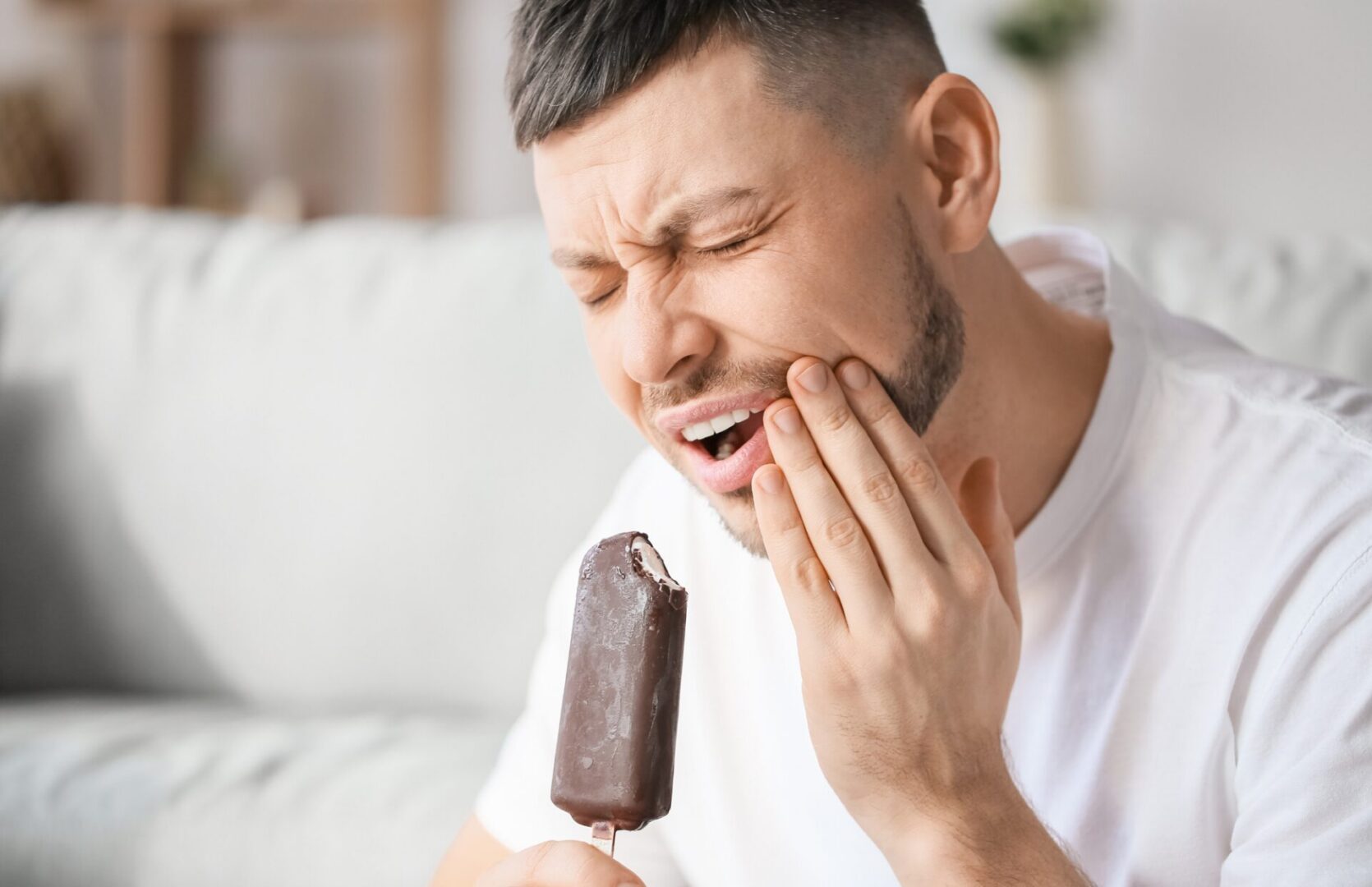
Have you ever taken a sip of ice water and felt a sharp, sudden jolt shoot through your tooth?
Or maybe that first bite of ice cream had you wondering if your dessert was secretly plotting against you.
If so, you’re not alone.
Tooth sensitivity affects millions of adults every year and is one of the most common reasons people visit the dentist. While an occasional twinge isn’t always cause for concern, ongoing sensitivity can be your smile’s way of saying, “Hey… something isn’t quite right.”
At Prestige Dental Spa in Lake Elsinore, Dr. Katy Chou helps patients identify the cause of tooth sensitivity and provide treatments that offer long-lasting relief… not just temporary fixes.
What Is Tooth Sensitivity?
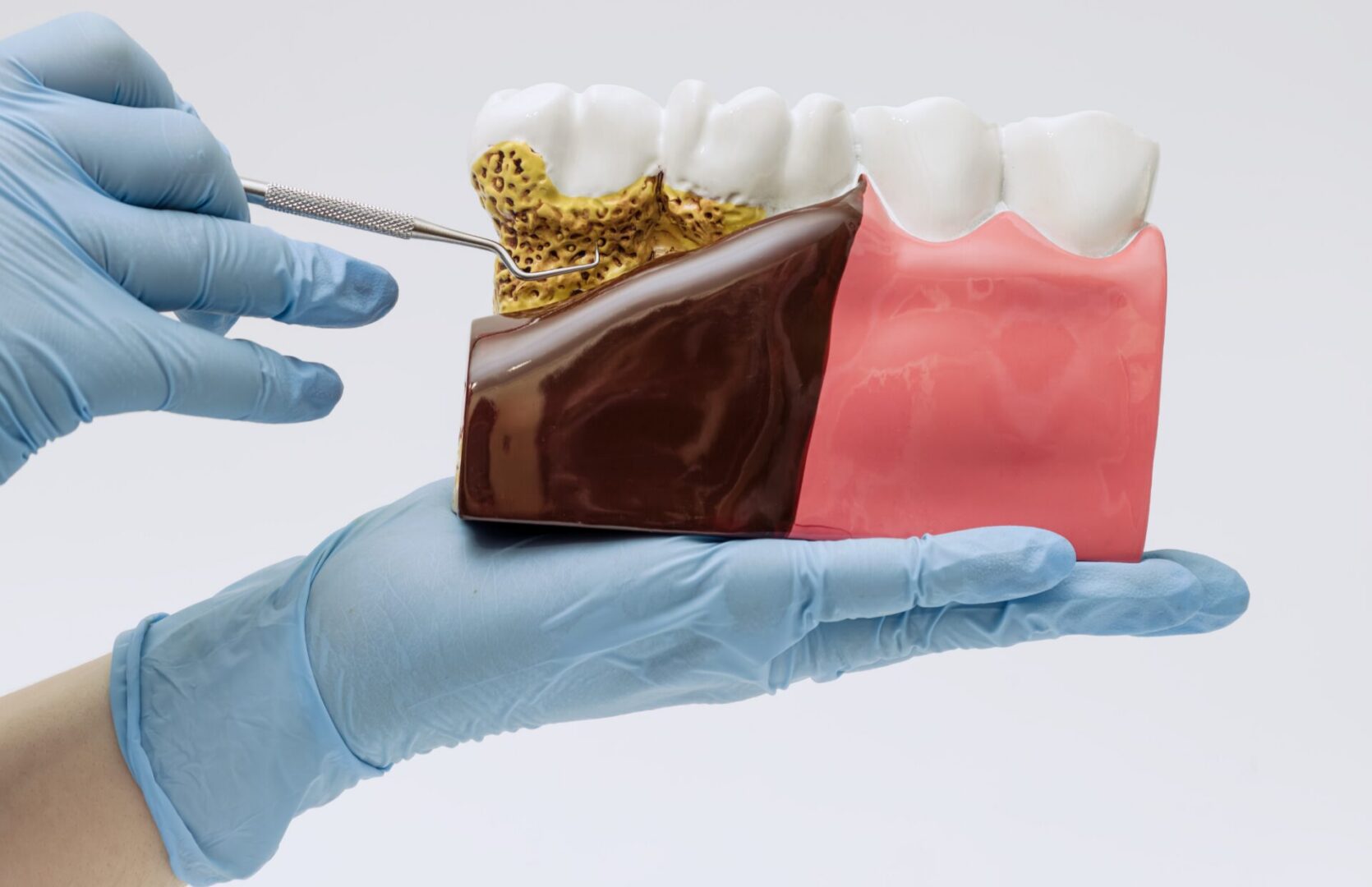
Tooth sensitivity (also called dentin hypersensitivity) occurs when the protective outer layer of your tooth… called enamel… wears away or when your gums recede, exposing the sensitive inner layer of the tooth.
Once that protective barrier is compromised, everyday things can trigger discomfort, including:
- Ice cream
- Hot coffee
- Cold drinks
- Sweet treats
- Brushing
- Flossing
- Even a cool breeze on a winter morning
Your teeth shouldn’t react to your morning coffee like they’re auditioning for a disaster movie.
What Causes Tooth Sensitivity?
There isn’t just one cause of sensitive teeth. In fact, several dental conditions can contribute.
Worn Tooth Enamel
Over time, enamel naturally wears down.
Common causes include:
- Brushing too aggressively
- Teeth grinding (bruxism)
- Acidic foods and beverages
- Frequent consumption of soda or sports drinks
Once enamel becomes thinner, your tooth’s nerves become much easier to stimulate.
Gum Recession and Periodontal Disease
Healthy gums protect the roots of your teeth.
When gums recede… often because of periodontal disease… the roots become exposed.
Unlike enamel, tooth roots aren’t designed to handle hot and cold temperatures, making them much more sensitive.
According to the CDC, nearly half of adults over age 30 have some form of gum disease, making it one of the leading causes of gum recession and tooth sensitivity.
Cavities
One of the earliest signs of tooth decay can be sensitivity to sweets, hot foods, or cold drinks.
Catching cavities early often means simpler treatment… and less discomfort.
Cracked or Worn Teeth
Tiny cracks may seem harmless, but they allow temperature changes to reach the tooth’s nerve.
Depending on the severity, dental crowns are often recommended to protect the tooth and prevent further damage.
Teeth Whitening
Professional teeth whitening is a safe and effective way to brighten your smile, but some patients experience temporary sensitivity afterward.
Fortunately, this usually resolves within a few days, and Dr. Katy Chou can recommend products and techniques to minimize discomfort.
Recent Dental Treatment
It’s completely normal to experience mild sensitivity after:
- Fillings
- Dental crowns
- Teeth whitening
- Deep cleanings
Most patients notice improvement within a few days.
When Tooth Sensitivity Is Trying to Tell You Something
Sometimes sensitivity is more than an inconvenience.
It may signal:
- A deep cavity
- A cracked tooth
- Infection
- Advanced periodontal disease
- A tooth that may require root canal therapy
If sensitivity lingers long after eating or drinking… or becomes severe… it’s time to schedule an evaluation.
Can Missing Teeth Cause Sensitivity?
Surprisingly, yes.
When missing teeth aren’t replaced, nearby teeth can begin shifting.
This changes the way your teeth come together when you bite, increasing pressure on certain teeth and causing:
- Excessive wear
- Cracks
- Gum recession
- Tooth sensitivity
Replacing missing teeth early helps maintain a healthy, balanced bite.
How Dr. Katy Chou Treats Tooth Sensitivity
The best treatment depends on the underlying cause.
At Prestige Dental Spa, treatment options may include:
Fluoride Treatments
Strengthen enamel and reduce sensitivity.
Desensitizing Toothpaste
Special ingredients help block pain signals to the tooth’s nerve.
Bonding Exposed Roots
Protects sensitive root surfaces caused by gum recession.
Periodontal Therapy
Treating periodontal disease helps restore gum health and reduce root exposure.
Dental Crowns
Crowns strengthen cracked or weakened teeth while protecting sensitive nerves.
Root Canal Therapy
If the tooth’s nerve is severely damaged or infected, root canal treatment may provide permanent relief.
How to Prevent Tooth Sensitivity
A few simple habits can make a big difference:
- Brush with a soft-bristled toothbrush.
- Use fluoride toothpaste.
- Avoid brushing too aggressively.
- Limit acidic foods and beverages.
- Wear a night guard if you grind your teeth.
- Visit your dentist every six months.
Preventive care is almost always easier… and less expensive… than treating advanced dental problems.

Patient Story: “I Thought Sensitive Teeth Were Just Part of Getting Older”
One patient came to our office convinced that painful sensitivity was simply part of aging.
For years, she avoided ice cream, iced drinks, and even fresh fruit.
After a comprehensive exam, Dr. Chou discovered two manageable issues:
- Early gum recession
- A small crack in one molar
With conservative treatment and a protective dental crown, her discomfort disappeared.
At her follow-up visit she smiled and said,
“I forgot ice water was supposed to be refreshing instead of terrifying.”
Moments like these remind us how life-changing even small dental treatments can be.
Is Teeth Whitening Safe If You Have Sensitive Teeth?
Absolutely… but professional guidance matters.
As a trusted cosmetic dentist in Lake Elsinore, Dr. Katy Chou customizes whitening treatments to reduce sensitivity while delivering beautiful results.
If your teeth are already sensitive, she may recommend treating the underlying cause before whitening your smile.
A healthy smile always comes first.
When Should You See a Dentist?
Don’t ignore sensitivity if it:
- Lasts several days
- Gets progressively worse
- Hurts when chewing
- Is accompanied by swelling
- Becomes constant
Early treatment often means simpler, more affordable care.
Frequently Asked Questions
Sudden sensitivity may be caused by enamel wear, gum recession, tooth decay, cracked teeth, or recent dental treatment.
Temporary sensitivity sometimes improves, but persistent sensitivity usually indicates an underlying problem that should be evaluated.
Yes. Gum disease often causes gum recession, exposing sensitive tooth roots.
Yes. Professional whitening is generally safe, and your dentist can adjust treatment to minimize discomfort.
Not always. However, crowns are often the best solution for cracked, severely worn, or structurally weakened teeth.
Don’t Let Tooth Sensitivity Keep You from Enjoying Life
Life is too short to avoid coffee, ice cream, or your favorite frozen treats because of sensitive teeth.
Whether your discomfort is caused by enamel wear, periodontal disease, a cracked tooth, or another dental concern, early treatment can restore your comfort and protect your smile.
If you’re experiencing tooth sensitivity, schedule an appointment with Dr. Katy Chou at Prestige Dental Spa in Lake Elsinore. Together, we’ll find the cause, create a personalized treatment plan, and help you enjoy every bite and sip with confidence again.